Resources

Guides to studying Scripture, and the history of how the church has read it.

Study methods

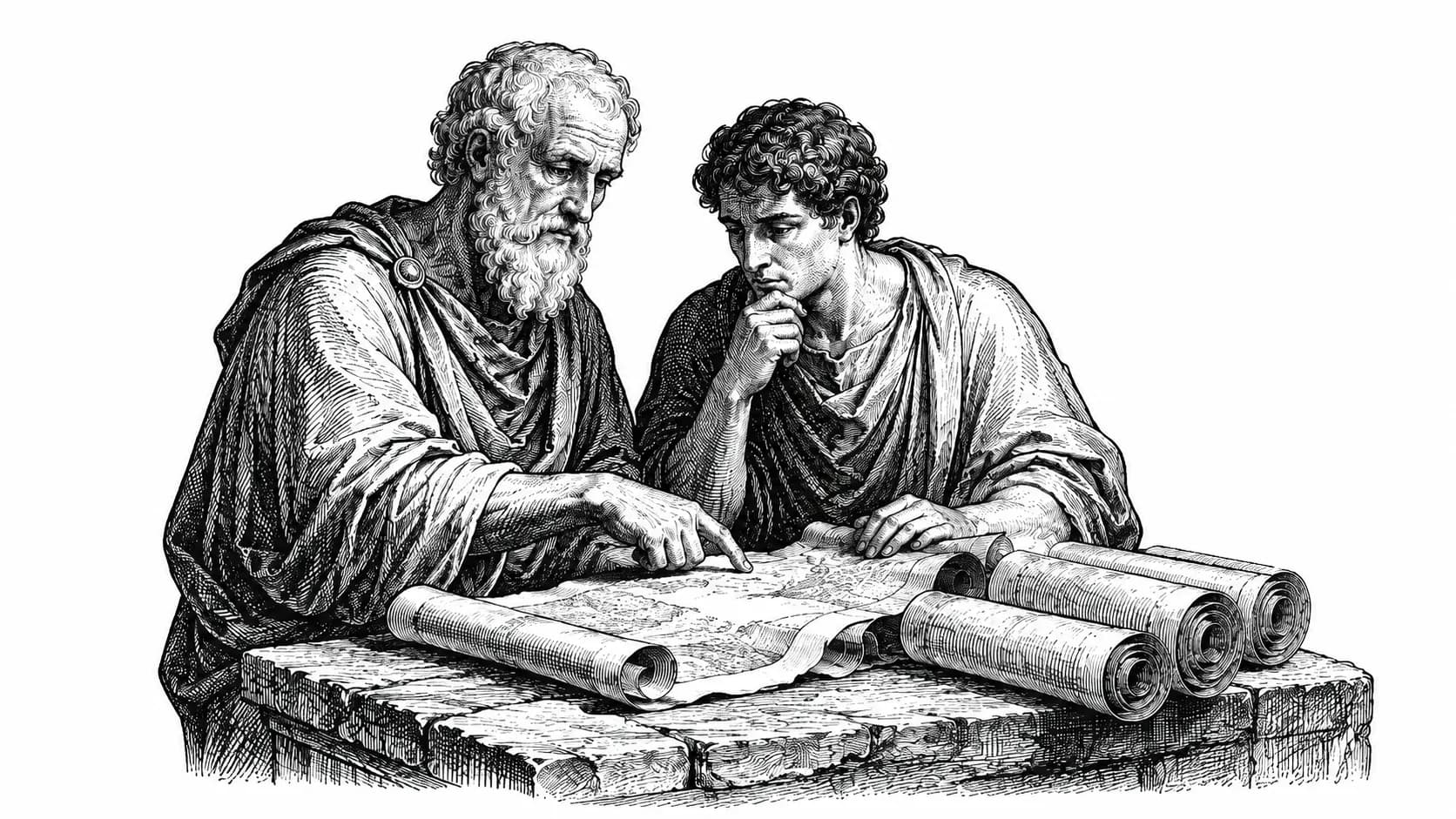
Observe, interpret and apply a passage.

1 of 5

Bible translations

How the major English Bibles differ, and why.

From the guide: Exegesis vs Eisegesis: How to Read the Bible Correctly

“Do your best to present yourself to God as one approved, a worker who has no need to be ashamed, rightly handling the word of truth.”

2 Timothy 2:15, ESV

Preaching and teaching

Two ways to build a sermon from the text.

Tools and software

Apps, software and study Bibles, compared.

1 of 6

Doctrine through church history

42 doctrines, from the early church to now.

1 of 42

The latest

Every guide, newest first.

17 guides

  1. Most Popular Bible Translations: Sales Rankings and Reader SurveysCompare dated Bible translation sales rankings and Christian bookstore data. Learn why bestselling, most read, and most used in churches mean different things.
  2. NASB vs ESV: Which Bible Translation Is Better?Compare NASB 1995, NASB 2020, and ESV using edition details, publisher sources, and verse examples. Choose wording that fits your study and reading.
  3. Books of the Bible: Complete Guide to Every BookThe Bible contains 66 books in Protestant Bibles, 73 in Catholic Bibles, and 78 or more in Eastern Orthodox Bibles. Every tradition shares the same 39 Old Testament and 27 New Testament books. This guide walks through each one, explains where the differences come from, and traces how the Reformation redrew the lines.
  4. Exegesis vs Eisegesis: How to Read the Bible CorrectlyExegesis draws an interpretation from the text and its context; eisegesis imports an unsupported meaning. Compare the methods through worked Bible examples.
  5. How to Use Cross References in Bible StudyCross references in the Bible are citations linking related passages across Scripture. Learning how to follow them changes the way you read—you stop treating verses in isolation and start seeing how the Bible builds on itself across thousands of years of writing.
  6. What Is a Bible Concordance? (How to Use One Well)A Bible concordance indexes words and their verse locations. Exhaustive editions aim at comprehensive coverage; shorter editions select entries. Learn how to move from an English search to Strong's numbers and word study.
  7. What Is Exegetical Preaching? The Method ExplainedExegetical preaching is a method in which the meaning of a biblical text governs the structure, content, and application of the sermon. The preacher does not import a topic into the text—they draw the message out of it.
  8. What Is Topical Preaching? The Method ExplainedTopical preaching organizes a sermon around a subject, question, or theme and assembles biblical passages that speak to it. Done well, it addresses real needs with clarity. Done poorly, it turns Scripture into a collection of proof texts.
  9. What Is Inductive Bible Study? The Method ExplainedInductive Bible study uses observation, interpretation, and application. Learn what each step does, compare it with deductive study, and use an OIA worksheet.
  10. Best Bible Study App in 2026: 7 Options ComparedCompare seven Bible study apps by documented features, resource access, and study tasks. Includes source links, ownership disclosure, and questions to test.
  11. 8 Bible Study Approaches from Christian AuthorsCompare Bible study approaches from Hendricks, Keller, Sproul, Stott, Arthur, Wilkin, Carson, and Willard, with sources and a worked passage exercise.

  12. Best Bible Study Tools: A Complete Guide to Deeper Scripture UnderstandingDiscover the essential Bible study tools—from AI-powered platforms to classic concordances—that help bridge the gap between ancient Scripture and modern understanding. Compare free apps, premium software, and traditional resources.
  13. Bible Translations Compared: Chart and How to ChooseCompare NIV, ESV, NLT, KJV, NASB, CSB, NKJV, and BSB by translation approach, edition, and study task, with publisher sources and a short verse example.
  14. How to Choose a Study Bible (And 9 Worth Considering)If you're looking to move beyond simply reading the Bible to truly understanding it, a study Bible is the single most powerful tool for your journey. But with countless translations, commentary styles, and special features available, choosing the right one can feel overwhelming.
  15. How to Study the Bible: A Step-by-Step GuideWhere to start, how to observe, interpret, and apply a passage, a worked example from James, and a 30-day plan through the Gospel of John. Works for first-time readers and keeps working as you go deeper.
  16. How to Use AI for Bible Study (and How to Vet a Bible Chat App)What AI does well in Bible study, where it goes wrong, a source-checking exercise you can run on any tool, and five questions to ask before you trust a Bible chat app.

  17. NIV vs ESV: Which Bible Translation Is Right for You?Compare NIV and ESV wording, translation principles, and verse examples. Check edition differences and decide which version fits your reading and study.

Read about it, then study it. Open the passage with the tools beside it.
Get Started Free

Start free. No credit card required.